

Winter arrives without apology in industrial environments. Steel yards glaze over with frost, logistics hubs turn into wind tunnels, and outdoor job sites become arenas where cold tests not only endurance but judgment. In such conditions, productivity and safety are inseparable from what workers wear. A winter staff uniform is no longer a mere layer of warmth; it is a carefully engineered safeguard that shields the body, preserves dexterity, and maintains visibility when nature conspires against efficiency.
This is where winter uniforms transcend fashion or compliance. They become silent protectors.
The Reality of Cold Stress in Industrial Workplaces
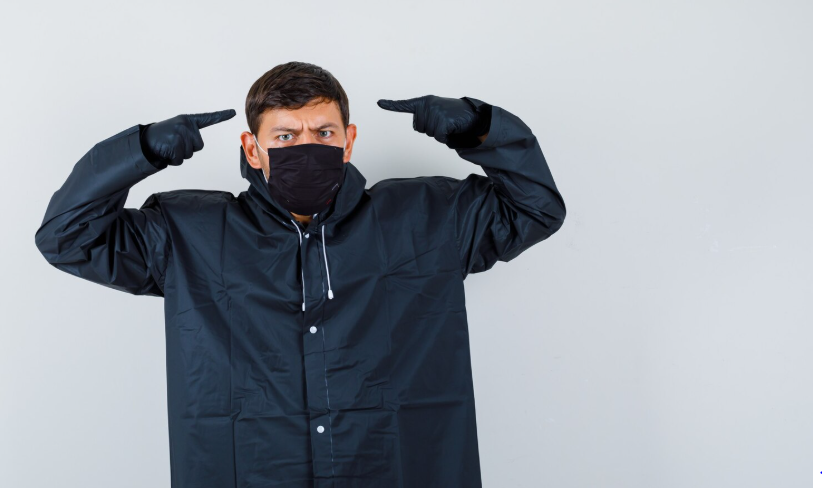
Cold stress is an underestimated adversary. Prolonged exposure to low temperatures can reduce blood flow, stiffen joints, slow reaction times, and impair concentration. In industrial environments, where machinery does not forgive hesitation, these physiological effects can be catastrophic.
Slips on icy surfaces, mishandled tools due to numb fingers, and fatigue induced by constant shivering all increase incident rates. This is why winter protective clothing must be designed with both biology and biomechanics in mind. Warmth alone is insufficient; protection must be comprehensive, adaptive, and resilient.
Why Winter Staff Uniforms Are a Safety System

A winter staff uniform is not a single garment. It is a system. Every layer has a purpose, every seam a responsibility.
At the core of this system lies thermal industrial workwear, engineered to regulate body temperature without suffocating movement. These garments trap heat while allowing moisture to escape, preventing the clammy chill that comes from sweat freezing against the skin. Breathability, often overlooked, is as critical as insulation.
Layered over this foundation comes insulated safety apparel, constructed to shield against wind penetration and sudden temperature drops. Quilted linings, advanced synthetic fills, and treated natural fibers work together to create a thermal barrier that adapts to activity levels.
Cold Weather PPE: More Than a Regulatory Checkbox
In industrial sectors, PPE is often associated with helmets, gloves, and boots. Winter expands that definition. Cold weather PPE encompasses garments designed to protect against hypothermia, frostbite, and cold-induced injuries, all while maintaining compliance with industrial safety standards.
This includes flame-resistant outerwear for energy sectors, anti-static materials for manufacturing plants, and chemical-resistant coatings for process industries. The challenge lies in combining these protective attributes without creating bulky, restrictive silhouettes.
Modern innovation has answered this challenge with precision-engineered textiles that offer protection without penalizing performance.
Frost Resistance as a Design Philosophy
In subzero conditions, fabric failure is not theoretical; it is inevitable if materials are poorly chosen. Cracking coatings, brittle zippers, and stiffened fibers compromise both comfort and safety. Frost resistant uniforms are designed to resist this degradation.
Such uniforms utilize low-temperature tolerant polymers, reinforced stitching, and flexible fasteners that maintain integrity even when mercury plunges. Elasticity in extreme cold is a hallmark of quality. When a worker can bend, reach, and lift without resistance, risk diminishes.
These uniforms also incorporate abrasion resistance, ensuring durability against ice, metal edges, and repetitive motion.
Visibility When Winter Erases Contrast
Snow, fog, and shortened daylight hours conspire to erase visual boundaries. In industrial settings, where vehicles, cranes, and forklifts operate continuously, visibility is survival.
Heated high-visibility jackets redefine winter safety by merging warmth with conspicuity. Integrated heating elements maintain core temperature, reducing the need for excessive layering. Meanwhile, reflective tapes and fluorescent panels ensure workers remain visible against monochrome winter landscapes.
Heat distribution is strategic, focused on vital zones such as the chest and back, ensuring warmth without overheating extremities. Battery systems are lightweight, discreet, and designed to last through extended shifts.
Low Temperature Gear and the Preservation of Dexterity
Cold numbs. Dexterity suffers first. Gloves become clumsy, fingers lose precision, and small errors multiply. Low temperature gear addresses this issue by prioritizing ergonomics.
Insulated gloves with articulated fingers, thermal-lined helmets with breathable padding, and boots designed to retain heat without sacrificing grip are all integral components. Footwear, in particular, plays a crucial role. Cold feet accelerate fatigue and distraction, increasing accident likelihood.
Advanced soles maintain traction on ice while internal linings regulate heat, creating stability from the ground up.
Subzero Hazard Attire and Industry-Specific Demands
Not all industrial environments face the same winter threats. A logistics warehouse differs vastly from an oil field or a high-altitude construction site. Subzero hazard attire is tailored to these nuanced realities.
For outdoor-heavy industries, garments must resist wind chill and precipitation. For indoor-outdoor hybrid environments, adaptability is key. Detachable liners, adjustable vents, and modular components allow workers to transition between temperature zones without constant wardrobe changes.
This adaptability reduces non-compliance. When uniforms are comfortable and practical, workers are more likely to wear them correctly and consistently.
Material Science Behind Modern Winter Uniforms
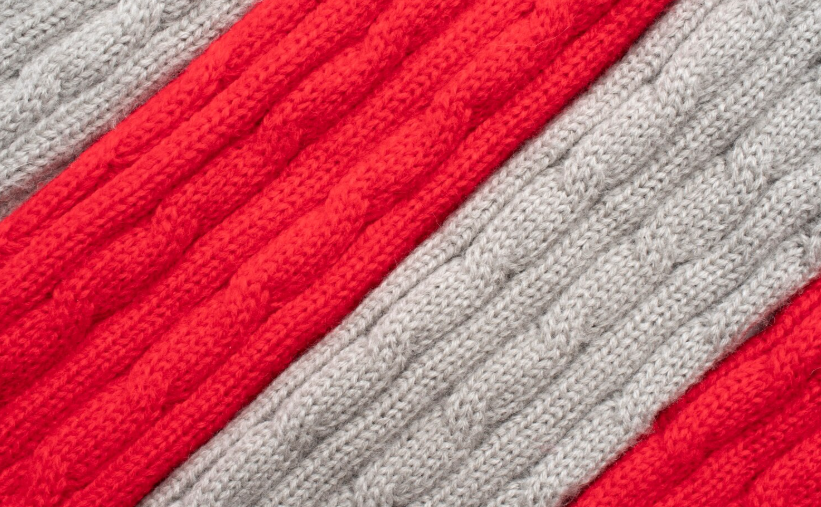
The evolution of winter staff uniforms is deeply intertwined with material science. Traditional wool and cotton, while warm, absorb moisture and lose insulating properties when wet. Modern alternatives leverage synthetic microfibers, treated natural blends, and membrane technologies.
These materials provide thermal efficiency, moisture management, and durability. They are lightweight yet formidable. They bend without breaking, insulate without suffocating, and protect without burdening.
Such advancements ensure that safety does not come at the expense of morale. Comfortable workers are alert workers.
Psychological Safety and Uniform Confidence
There is an intangible aspect to winter uniforms that is often overlooked: psychological assurance. When workers feel protected, their confidence increases. They move with intention, focus on tasks, and trust their equipment.
A well-designed winter staff uniform communicates care. It signals that the organization values its workforce, even when conditions are harsh. This perception fosters loyalty, reduces absenteeism, and enhances overall operational stability.
Uniforms, in this sense, become a bridge between management intent and workforce reality.
Compliance, Branding, and Professional Identity
Industrial uniforms also serve as visual identifiers. In winter, this role becomes more complex. Bulky garments can obscure branding, role distinction, and hierarchy. Thoughtful design resolves this.
Strategically placed logos, color-coded panels, and consistent design language maintain professional identity even under layers. Compliance with safety standards does not negate aesthetics; the two can coexist.
A cohesive winter uniform reinforces brand credibility while maintaining safety integrity.
Implementing the Right Winter Uniform Strategy
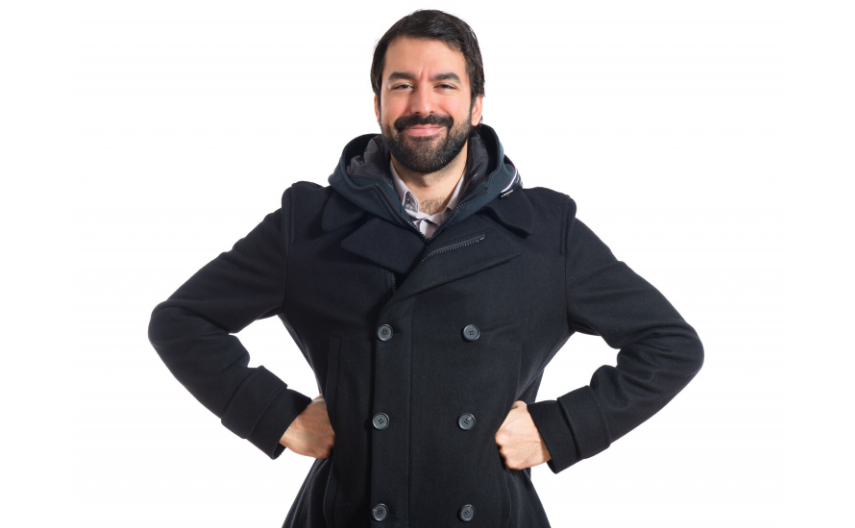
Choosing the right winter staff uniform requires a methodical approach. Climate analysis, task assessment, and worker feedback should inform decisions. One-size-fits-all solutions rarely succeed in industrial contexts.
Uniform trials, temperature simulations, and real-world testing ensure garments perform as promised. Maintenance protocols must also be established. Even the most advanced uniform loses effectiveness if poorly maintained.
Cleaning methods, storage practices, and inspection schedules extend garment lifespan and preserve safety features.
The Long-Term Value of Quality Winter Uniforms
Investing in quality winter uniforms yields returns beyond immediate safety. Reduced accidents lower insurance costs. Improved comfort enhances productivity. Durable garments reduce replacement frequency.
More importantly, it cultivates a culture where safety is proactive rather than reactive. Workers are equipped for conditions before risks escalate.
When winter is anticipated rather than feared, operations remain resilient.
A Partner in Industrial Winter Safety
Navigating winter safety requires expertise, precision, and reliability. From thermal industrial workwear to advanced cold weather PPE, from insulated safety apparel to purpose-built frost resistant uniforms, every element matters.
Organizations seeking comprehensive solutions in winter protective clothing, low temperature gear, heated high-visibility jackets, and subzero hazard attire can elevate safety standards by partnering with specialists who understand industrial realities.
For tailored guidance, innovative designs, and reliable supply, contact ABG Uniforms to transform winter uniforms into a strategic safety asset rather than a seasonal afterthought.